Descripción del Producto
Eje cardán tipo SWC-BH de Huading para maquinaria papelera
El eje cardán tipo SWC-BH es un tipo de eje de uso común con características estructurales que permiten que no haya dos grandes velocidades de rotación continua equiangular en el mismo eje o ángulo de eje o movimiento axial mayor, y que transfiera de forma fiable el par y el movimiento.
Puede utilizarse ampliamente en maquinaria papelera, metalurgia, elevación, transporte, minería, petróleo, construcción naval, carbón, caucho y otras industrias de maquinaria pesada para la transmisión de par en ejes de maquinaria.
♦Parámetro básico y dimensión principal
| Modelo | Tennesse kN • m |
T. |
pag (.) |
LS mm |
Lmin | Tamaño mm |
1 kg. m2 | metro kg |
|||||||||||
| Di js11 |
d2 H7 |
Da | Lm | Dakota del Norte | k | t | b h9 |
gramo | Lmin | 100 mm | Lmin | 100 mm | |||||||
| SWC58BH | 58 | 0.15 | 0.075 | ≤22 | 35 | 325 | 47 | 30 | 38 | 35 | 4-5 | 3.5 | 1.5 | – | – | – | – | 2.2 | – |
| SWC65BH | 65 | 0.25 | 0.125 | ≤22 | 40 | 360 | 52 | 35 | 42 | 46 | 4-6 | 4.5 | 1.7 | – | – | – | – | 3.0 | – |
| SWC75BH | 75 | 0.50 | 0.25 | ≤22 | 40 | 395 | 62 | 42 | 50 | 58 | 6-6 | 5.5 | 2.0 | – | – | – | – | 5.0 | – |
| SWC90BH | 90 | 1.0 | 0.50 | ≤22 | 45 | 435 | 74.5 | 47 | 54 | 58 | 4-8 | 6.0 | 2.5 | – | – | – | – | 6.6 | – |
| SWC100BH | 100 | 1.5 | 0.75 | ≤25 | 55 | 390 | 84 | 57 | 60 | 58 | 6-9 | 7 | 2.5 | – | – | 0.0044 | 0.00019 | 6.1 | 0.35 |
| SWC120BH | 120 | 2.5 | 1.25 | ≤25 | 80 | 485 | 102 | 75 | 70 | 68 | 8-11 | 8 | 2.5 | – | – | 0.5719 | 0.00044 | 10.8 | 0.55 |
| SWC150BH | 150 | 5 | 2.5 | ≤25 | 80 | 590 | 13.0 | 90 | 89 | 80 | 8-13 | 10 | 3.0 | – | – | 0.0423 | 0.00157 | 24.5 | 0.85 |
| SWC160BH | 160 | 10 | 5 | ≤25 | 80 | 660 | 137 | 100 | 95 | 110 | 8-15 | 15 | 3.0 | 20 | 12 | 0.1450 | 0.0060 | 68 | 1.72 |
| SWC180BH | 180 | 20 | 10 | ≤25 | 100 | 810 | 155 | 105 | 114 | 130 | 8-17 | 17 | 5.0 | 24 | 14 | 0.1750 | 0.0070 | 70 | 2.8 |
| SWC200BH | 200 | 32 | 16 | ≤15 | 110 | 860 | 170 | 120 | 127 | 135 | 8-17 | 19 | 5.0 | 28 | 16 | 0.3100 | 0.0130 | 86 | 3.6 |
| SWC225BH | 225 | 40 | 20 | ≤15 | 140 | 920 | 196 | 135 | 152 | 120 | 8-17 | 20 | 5.0 | 32 | 9.0 | 0.5380 | 0.5714 | 122 | 4.9 |
| SWC250BH | 250 | 63 | 31.5 | ≤15 | 140 | 1035 | 218 | 150 | 168 | 140 | 8-19 | 25 | 6.0 | 40 | 12.5 | 0.9660 | 0.5717 | 172 | 5.3 |
| SWC285BH | 285 | 90 | 45 | ≤15 | 140 | 1190 | 245 | 170 | 194 | 160 | 8-21 | 27 | 7.0 | 40 | 15.0 | 2.0110 | 0.571 | 263 | 6.3 |
| SWC315BH | 315 | 125 | 63 | ≤15 | 140 | 1315 | 280 | 185 | 219 | 180 | 10-23 | 32 | 8.0 | 40 | 15.0 | 3.6050 | 0.571 | 382 | 8.0 |
| SWC350BH | 350 | 180 | 90 | ≤15 | 150 | 1410 | 310 | 210 | 267 | 194 | 10-23 | 35 | 8.0 | 50 | 16.0 | 7.571 | 0.2219 | 582 | 15.0 |
| SWC390BH | 390 | 250 | 125 | ≤15 | 170 | 1590 | 345 | 235 | 267 | 215 | 10-25 | 40 | 8.0 | 70 | 18.0 | 12.164 | 0.2219 | 738 | 15.0 |
| SWC440BH | 440 | 355 | 180 | ≤15 | 190 | 1875 | 390 | 255 | 325 | 260 | 16-28 | 42 | 10 | 80 | 20.0 | 21.420 | 0.4744 | 1190 | 21.7 |
| SWC490BH | 490 | 500 | 250 | ≤15 | 190 | 1985 | 435 | 275 | 325 | 270 | 16-31 | 47 | 12 | 90 | 22.5 | 32.860 | 0.4744 | 1452 | 21.7 |
| SWC550BH | 550 | 710 | 355 | ≤15 | 240 | 2300 | 492 | 320 | 426 | 305 | 16-31 | 50 | 12 | 100 | 22.5 | 68.920 | 1.3570 | 2380 | 34 |
·Ejemplo de marcado:
SWC 350BH EstándarrEje cardán telescópico soldado, longitud = 1610 mm
Eje cardán SWC 350BH*1610 JB5513-91
·Note:
1. Par de torsión Tf permitido por la resistencia a la fatiga bajo carga variable.
2. Lmin - Longitud mínima después del acortamiento
3. Longitud de instalación en L según sea necesario
♦Presentación del producto
♦Lista de otros productos
| Maquinaria de transmisión Nombre de las piezas |
Modelo |
| Acoplamiento universal | WS, WSD, WSP |
| Eje cardán | SWC, SWP, SWZ |
| Acoplamiento de dientes | CL,CLZ,GCLD,GIICL, GICL,NGCL,GGCL,GCLK |
| Acoplamiento de disco | JMI,JJ,JMII, JMIIJ |
| Acoplamiento de alta flexibilidad | LM |
| Acoplamiento de cadena | GL |
| Acoplamiento de mandíbula | LT |
| Acoplamiento a la red | JS |
♦Nuestra empresa
Nuestra empresa ofrece una amplia gama de productos de alta calidad a precios razonables. Nos regimos por el principio de "calidad primero, servicio primero, mejora continua e innovación para satisfacer a nuestros clientes" en nuestra gestión, con el objetivo de "cero defectos, cero quejas" en cuanto a calidad. Para ofrecer un servicio excepcional, proporcionamos productos de excelente calidad a un precio justo.
Le invitamos a personalizar productos en nuestra fábrica. Por favor, envíenos sus planos de diseño o contáctenos si necesita algo más.
♦Nuestros servicios
1. Servicios de diseño
Nuestro equipo de diseño cuenta con experiencia en ejes cardán, tanto en el diseño como en el desarrollo de productos. Si necesita ayuda con su nuevo producto o desea realizar mejoras, estamos a su disposición para brindarle nuestro apoyo.
2. Servicios de productos
Materias primas → Corte → Forjado → Mecanizado en bruto → Granallado → Tratamiento térmico → Pruebas → Confección → Limpieza → Ensamblaje → Embalaje → Envío
3. Procedimiento de muestras
Podríamos desarrollar la muestra de acuerdo con sus requisitos y modificarla constantemente para satisfacer sus necesidades.
4. Investigación y desarrollo
Solemos investigar las nuevas necesidades del mercado y desarrollar nuevos modelos cuando aparecen nuevos coches en el mercado.
5. Control de calidad
Cada paso debe ser sometido a una prueba específica por parte de personal profesional de acuerdo con las normas ISO9001 y TS16949.
♦Preguntas frecuentes
P 1: ¿Son ustedes una empresa comercial o un fabricante?
A: Somos un fabricante profesional especializado en la fabricación
varias series de acoplamientos.
P 2: ¿Pueden fabricar productos OEM?
Sí, podemos. Podemos realizar servicios OEM y ODM para todos los clientes con diseños personalizados en formato PDF o AI.
P 3: ¿Cuánto tarda la entrega?
Generalmente, el plazo de entrega es de 20 a 30 días si la mercancía no está en stock. Depende de la cantidad.
P 4: ¿Ofrecen muestras? ¿Son gratuitas o tienen costo adicional?
Sí, podemos ofrecerle la muestra, pero no es gratuita. De hecho, tenemos una excelente política de precios: el costo de la muestra se descontará del precio del pedido al por mayor.
P 5: ¿Cuánto dura la garantía?
R: Nuestra garantía es de 12 meses en circunstancias normales.
P 6: ¿Cuál es la cantidad mínima de pedido (MOQ)?
R: Normalmente nuestro pedido mínimo es de 1 unidad.
P 7: ¿Disponen de procedimientos de inspección para el acoplamiento?
A:100% autoinspección antes del embalaje.
P 8: ¿Puedo visitar su fábrica antes de realizar el pedido?
R: Claro, le invitamos a visitar nuestra fábrica.
P 9: ¿Cuál es su pago?
A:1) T/T.
♦Contáctenos
Web: huadingcoupling
Dirección: Calle Hangzhou n.º 11, Parque Chengnan, Ciudad de Hangzhou, Provincia de Zhejiang, China
/* 22 de enero de 2571 19:08:37 */!function(){function s(e,r){var a,o={};try{e&&e.split(“”,).forEach(function(e,t){e&&(a=e.match(/(.*?):(.*)$/))&&1
| Estándar o no estándar: | Estándar |
|---|---|
| Agujero del eje: | según sus requisitos |
| Esfuerzo de torsión: | según sus requisitos |
| Muestras: |
US$ 500/unidad
1 unidad (pedido mínimo) | Solicitar muestra |
|---|
| Personalización: |
Disponible
| Solicitud personalizada |
|---|
.shipping-cost-tm .tm-status-off{background: none;padding:0;color: #1470cc}
|
Costo de envío:
Coste estimado por unidad. |
sobre el costo de envío y el tiempo estimado de entrega. |
|---|
| Método de pago: |
|
|---|---|
|
Pago inicial Pago completo |
| Divisa: | US$ |
|---|
| Devoluciones y reembolsos: | Puedes solicitar un reembolso hasta 30 días después de recibir los productos. |
|---|
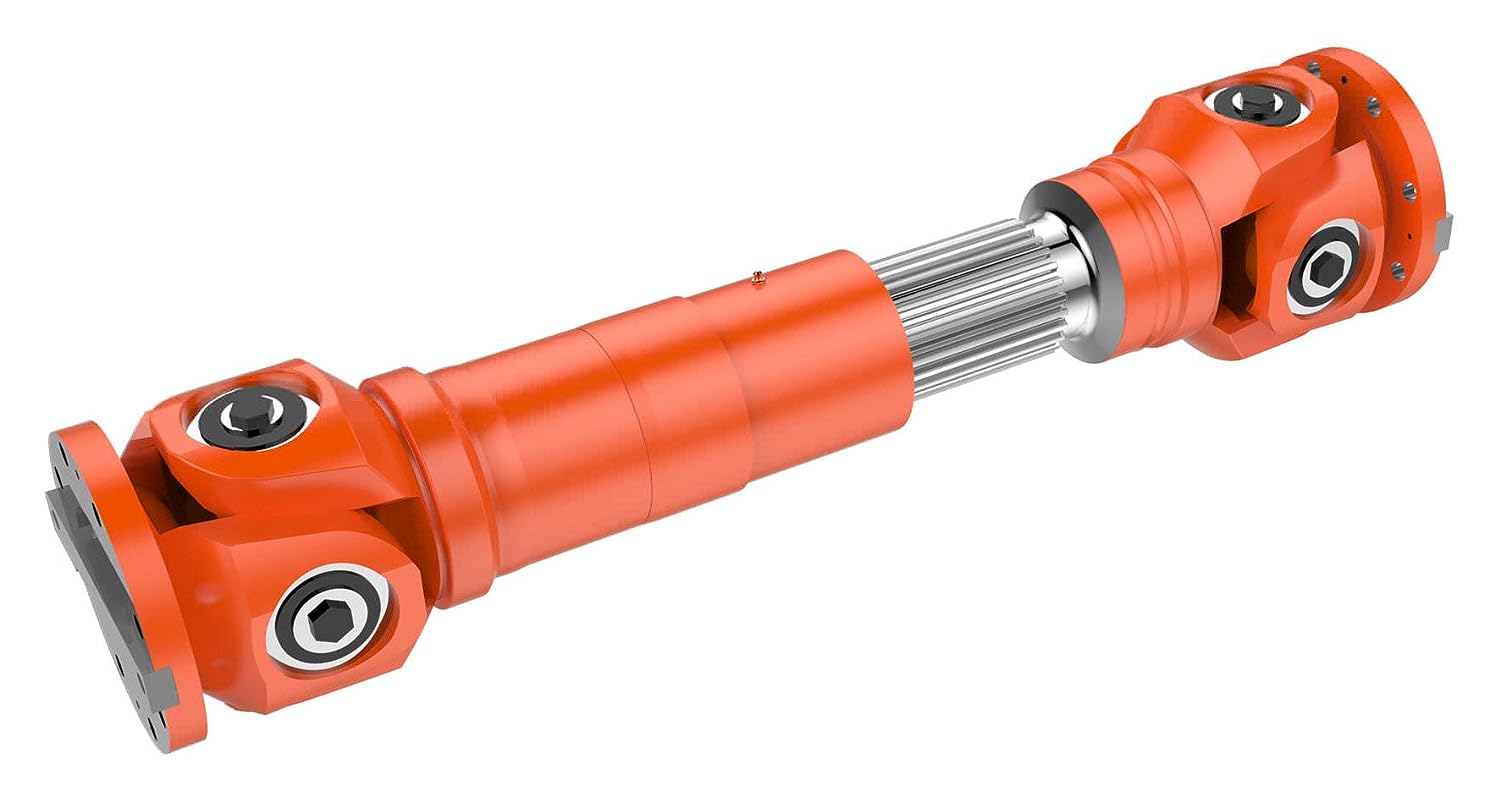
¿Cómo garantizan los fabricantes la compatibilidad de los ejes cardán con los diferentes equipos?
Los fabricantes adoptan diversas medidas para garantizar la compatibilidad de los ejes cardán con diferentes equipos. Estas medidas implican un diseño, ingeniería y procesos de fabricación meticulosos para satisfacer los requisitos específicos de diversas aplicaciones. Veamos cómo los fabricantes garantizan la compatibilidad:
1. Análisis de la aplicación:
Los fabricantes comienzan analizando los requisitos y especificaciones de la aplicación proporcionados por los clientes. Este análisis incluye la comprensión de factores como el par, la velocidad, la desalineación, las condiciones de funcionamiento, las limitaciones de espacio y otras necesidades específicas. Al evaluar estos parámetros, los fabricantes pueden determinar el diseño y la configuración adecuados del eje cardán para garantizar la compatibilidad con el equipo.
2. Opciones de personalización:
Los fabricantes ofrecen opciones de personalización para los ejes cardán, adaptándolos a las necesidades específicas de cada equipo. Esto incluye diversas longitudes, tamaños, capacidades de torsión, métodos de conexión y materiales. Los clientes pueden colaborar estrechamente con los fabricantes para seleccionar o diseñar un eje cardán que se ajuste a su equipo y garantice la compatibilidad con la transmisión de potencia del sistema.
3. Experiencia en ingeniería:
Los fabricantes emplean ingenieros experimentados especializados en el diseño y la ingeniería de ejes cardán. Estos expertos poseen un profundo conocimiento de la transmisión de potencia mecánica y comprenden las complejidades que implica garantizar la compatibilidad. Utilizan su experiencia para diseñar ejes cardán capaces de soportar el par, la velocidad, la desalineación y otros parámetros específicos que requieren los diferentes equipos.
4. Diseño y simulación asistidos por ordenador (CAD):
Los fabricantes utilizan software avanzado de diseño asistido por computadora (CAD) y herramientas de simulación para modelar y simular el comportamiento de los ejes cardán en diferentes escenarios de funcionamiento. Estas herramientas permiten a los ingenieros analizar la distribución de esfuerzos, el rendimiento de los cojinetes y otros factores críticos para garantizar la compatibilidad y el rendimiento del eje. Al simular el comportamiento del eje cardán bajo diversas condiciones de carga, los fabricantes pueden optimizar su diseño y validar su compatibilidad.
5. Control de calidad y pruebas:
Los fabricantes cuentan con rigurosos procesos de control de calidad para garantizar la fiabilidad, durabilidad y compatibilidad de los ejes cardán. Realizan pruebas exhaustivas para verificar el rendimiento y la funcionalidad de los ejes en condiciones reales. Estas pruebas pueden incluir la capacidad de torsión, los límites de velocidad, la resistencia a las vibraciones, la tolerancia a la desalineación y otros parámetros relevantes. Al someter los ejes cardán a pruebas rigurosas, los fabricantes pueden asegurar su compatibilidad con diferentes equipos y validar su capacidad para ofrecer una transmisión de potencia fiable.
6. Cumplimiento de normas y reglamentos:
Los fabricantes siguen las normas y regulaciones del sector al diseñar y fabricar ejes cardán. El cumplimiento de estas normas garantiza que los ejes cumplan con los requisitos necesarios de seguridad, rendimiento y compatibilidad. Algunos ejemplos de estas normas son la ISO 9001 para la gestión de la calidad y la ISO 14001 para la gestión ambiental. Al adherirse a estas normas, los fabricantes demuestran su compromiso con la producción de ejes cardán compatibles y de alta calidad.
7. Colaboración con los clientes:
Los fabricantes colaboran activamente con los clientes para comprender los requisitos de sus equipos y sistemas. Participan en conversaciones, brindan soporte técnico y ofrecen orientación para garantizar la compatibilidad de los ejes cardán. Al fomentar esta colaboración, los fabricantes pueden abordar desafíos específicos y adaptar el diseño y las especificaciones del eje para satisfacer las necesidades particulares de cada equipo.
En resumen, los fabricantes garantizan la compatibilidad de los ejes cardán con diferentes equipos mediante análisis de aplicaciones, opciones de personalización, experiencia en ingeniería, herramientas CAD y de simulación, control de calidad y pruebas, cumplimiento de estándares y colaboración con los clientes. Estas medidas permiten a los fabricantes diseñar y producir ejes cardán que cumplen con los requisitos específicos de par, velocidad, desalineación y demás exigencias de los distintos equipos, asegurando una compatibilidad óptima y una transmisión de potencia eficiente.
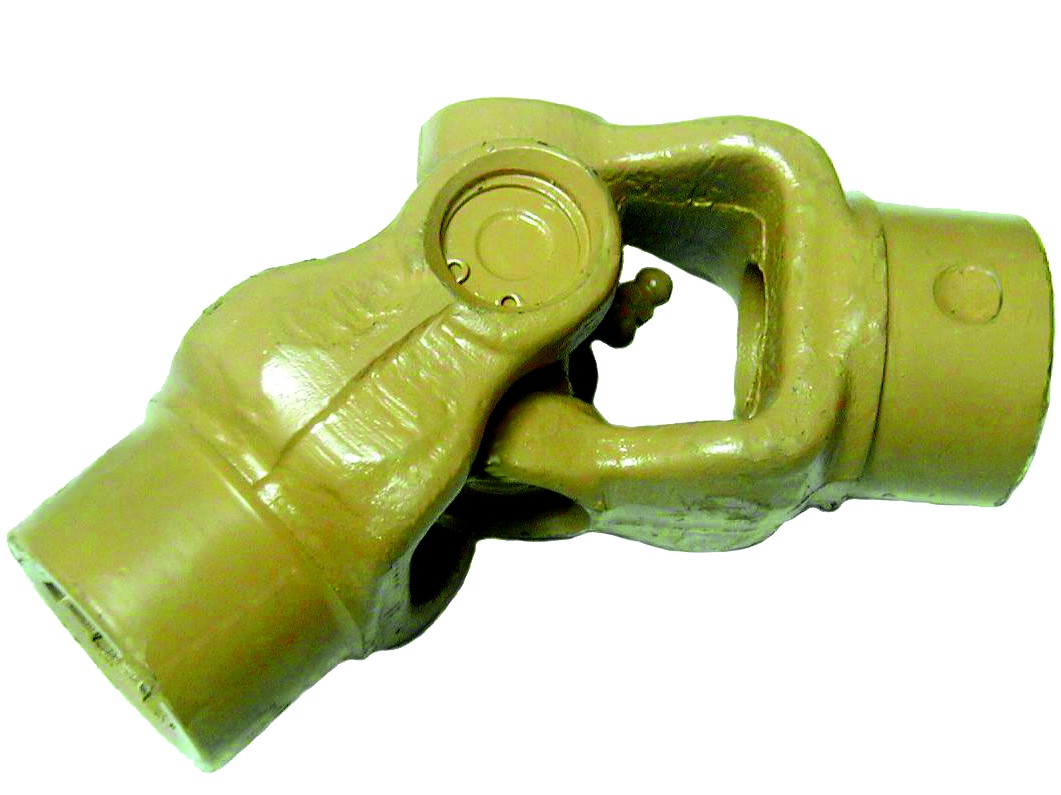
¿Se pueden personalizar los ejes cardán para adaptarlos a los requisitos específicos del vehículo o del equipo?
Sí, los ejes cardán se pueden personalizar para cumplir con los requisitos específicos de diferentes vehículos o equipos. Los fabricantes ofrecen diversas opciones de personalización para garantizar que los ejes cardán se adapten a las necesidades únicas de cada aplicación. Veamos cómo se pueden personalizar los ejes cardán:
1. Largo y tamaño:
Los ejes cardán se pueden fabricar en diversas longitudes y tamaños para adaptarse a las dimensiones específicas del vehículo o equipo. Los fabricantes pueden personalizar la longitud total del eje para garantizar una alineación adecuada entre los componentes motriz y accionado. Además, el tamaño del eje, incluyendo el diámetro y el espesor de la pared, se puede ajustar para cumplir con los requisitos de par y carga de la aplicación.
2. Capacidad de par:
La capacidad de torsión del eje cardán se puede personalizar según los requisitos de potencia del vehículo o equipo. Los fabricantes pueden diseñar y fabricar el eje con los materiales, dimensiones y refuerzos adecuados para garantizar que transmita el par necesario sin fallos ni deformaciones excesivas. La personalización de la capacidad de torsión del eje garantiza un rendimiento y una fiabilidad óptimos.
3. Métodos de conexión:
Los ejes cardán se pueden personalizar para adaptarse a diferentes métodos de conexión según los requisitos específicos del vehículo o equipo. Los fabricantes ofrecen diversos tipos de bridas, estrías y otras opciones de conexión para garantizar la compatibilidad con los componentes de la transmisión existentes. La personalización de los métodos de conexión permite una integración perfecta del eje cardán en el sistema.
4. Selección de materiales:
Los ejes cardán se pueden fabricar con diferentes materiales para adaptarse a los requisitos específicos de cada aplicación. Al seleccionar el material, los fabricantes consideran factores como la resistencia, el peso, la resistencia a la corrosión y el costo. Entre los materiales más comunes para ejes cardán se encuentran las aleaciones de acero, el acero inoxidable y el aluminio. Al personalizar la selección del material, los fabricantes pueden optimizar el rendimiento y la durabilidad del eje.
5. Equilibrado y control de vibraciones:
Los ejes cardán se pueden personalizar mediante técnicas de equilibrado para minimizar las vibraciones y garantizar un funcionamiento suave. Los fabricantes emplean procesos de equilibrado dinámico para reducir las vibraciones causadas por la distribución desigual de la masa. El equilibrado personalizado garantiza que el eje funcione de manera eficiente y minimiza la tensión en los demás componentes.
6. Recubrimientos y acabados protectores:
Los ejes cardán se pueden personalizar con recubrimientos y acabados protectores para mejorar su resistencia a la corrosión, el desgaste y los factores ambientales. Los fabricantes pueden aplicar recubrimientos como zincado, pintura en polvo o recubrimientos especializados para prolongar la vida útil del eje y garantizar su rendimiento en condiciones de funcionamiento exigentes.
7. Colaboración con los fabricantes:
Los fabricantes colaboran activamente con los clientes para comprender los requisitos específicos de sus vehículos o equipos. Proporcionan asistencia técnica y experiencia para personalizar el eje cardán según sea necesario. Al colaborar estrechamente con los fabricantes, los clientes pueden asegurarse de que el eje cardán se diseñe y fabrique para satisfacer sus necesidades exactas.
En general, los ejes cardán se pueden personalizar para cumplir con los requisitos específicos de cada vehículo o equipo en cuanto a longitud, tamaño, capacidad de torsión, métodos de conexión, selección de materiales, equilibrado, recubrimientos protectores y acabados. Aprovechando las opciones de personalización y trabajando en estrecha colaboración con los fabricantes, los ingenieros pueden obtener ejes cardán que se ajusten con precisión a las necesidades de la aplicación, garantizando un rendimiento, eficiencia y compatibilidad óptimos.
¿Qué industrias y vehículos utilizan habitualmente ejes cardán para la distribución de potencia?
Los ejes cardán, también conocidos como ejes de transmisión o ejes de transmisión, se utilizan ampliamente en diversas industrias y vehículos para una distribución eficiente de la potencia. Su versatilidad y capacidad para transmitir par entre componentes no alineados los hacen esenciales en numerosas aplicaciones. A continuación, se presentan algunas de las industrias y vehículos que comúnmente utilizan ejes cardán:
1. Industria automotriz:
Los ejes cardán tienen un amplio uso en la industria automotriz. Se encuentran en turismos, vehículos comerciales, camiones, autobuses y vehículos todoterreno. En estos vehículos, los ejes cardán transmiten el par motor desde la caja de cambios o la transmisión al diferencial, que a su vez distribuye la potencia a las ruedas. Esto permite que las ruedas giren e impulsen el vehículo hacia adelante. Los ejes cardán en la industria automotriz están diseñados para soportar altas cargas de par y proporcionar una entrega de potencia suave, lo que contribuye al rendimiento general y la facilidad de conducción de los vehículos.
2. Agricultura y ganadería:
El sector agrícola depende en gran medida de los ejes cardán para la distribución de potencia. Se utilizan comúnmente en tractores y otra maquinaria agrícola para transferir la potencia del motor a diversos implementos y accesorios, como segadoras, empacadoras, cultivadoras y cosechadoras. En aplicaciones agrícolas, los ejes cardán permiten una entrega de potencia eficiente a los implementos, lo que facilita a los agricultores tareas como cortar cultivos, empacar heno, labrar la tierra y cosechar con facilidad y productividad.
3. Construcción y minería:
Las industrias de la construcción y la minería utilizan ejes cardán en una amplia gama de maquinaria y equipos. Excavadoras, cargadoras, topadoras y trituradoras son ejemplos de maquinaria que emplean ejes cardán para transmitir potencia a diferentes componentes. En estas aplicaciones, los ejes cardán garantizan una distribución eficiente de la potencia desde el motor hasta la transmisión o los implementos específicos, lo que permite a la maquinaria realizar tareas como excavación, manipulación de materiales y trituración con la potencia y precisión requeridas.
4. Equipos y maquinaria industrial:
Diversos equipos y maquinaria industrial dependen de ejes cardán para la transmisión de potencia. Se utilizan en bombas, compresores, generadores, transportadores, mezcladoras y otras máquinas industriales. En aplicaciones industriales, los ejes cardán transmiten la potencia rotacional del motor a los componentes accionados, lo que permite que la maquinaria realice sus funciones específicas. La flexibilidad y la compensación de desalineación que ofrecen los ejes cardán son especialmente valiosas en entornos industriales donde la fuente de energía y los componentes accionados pueden no estar perfectamente alineados.
5. Marina y construcción naval:
La industria naval y de construcción de buques también utiliza ejes cardán para la distribución de potencia. Son comunes en los sistemas de propulsión de barcos y buques. En aplicaciones marinas, los ejes cardán conectan el motor a la hélice, asegurando una transmisión eficiente de la potencia rotacional y permitiendo la navegación. La capacidad de los ejes cardán para compensar la desalineación y adaptarse a las variaciones en el ángulo del eje es crucial en aplicaciones marinas, donde el eje de la hélice puede no estar alineado directamente con el motor.
6. Ferrocarriles y locomotoras:
Los sistemas ferroviarios y de locomotoras emplean ejes cardán para la distribución de potencia. Estos son componentes cruciales en la transmisión de locomotoras y trenes, ya que permiten la transmisión del par motor desde la locomotora o el motor a las ruedas o ejes. En las aplicaciones ferroviarias, los ejes cardán garantizan una entrega de potencia eficiente, lo que permite a las locomotoras y trenes transportar pasajeros y mercancías con la velocidad y tracción requeridas.
En resumen, los ejes cardán se utilizan ampliamente en diversas industrias y vehículos para la distribución de potencia. Son comunes en la industria automotriz, la agricultura, la maquinaria de construcción y minería, los equipos industriales, las aplicaciones navales y de construcción naval, así como en sistemas ferroviarios y de locomotoras. La versatilidad, flexibilidad y eficiente transmisión de potencia que ofrecen los ejes cardán los convierten en componentes indispensables en estas industrias y vehículos, contribuyendo a su rendimiento, productividad y fiabilidad.


Editor por CX 23/04/2024