Descrição do produto
Wholesale New Product Cheap Specialized New Design adapter universal joints flexible front rear tractor Pto drive cardan Shaft for Agricultural
Application of tractor Pto drive cardan Shaft
A tractor PTO drive cardan shaft is a type of shaft that is used to transmit power from the tractor’s engine to an implement. The shaft is typically made of steel and has a universal joint at each end. The universal joint allows the shaft to transmit power even when the tractor and the implement are not aligned perfectly.
PTO drive cardan shafts are used in a wide variety of applications, including:
- Balers: Balers are used to compress hay or straw into bales. The PTO drive cardan shaft is used to transmit power from the tractor’s engine to the baler’s baling mechanism.
- Haybines: Haybines are used to cut hay into small pieces. The PTO drive cardan shaft is used to transmit power from the tractor’s engine to the haybine’s cutting mechanism.
- Mower conditioners: Mower conditioners are used to cut grass and then condition it by adding air and moisture. The PTO drive cardan shaft is used to transmit power from the tractor’s engine to the mower conditioner’s cutting and conditioning mechanisms.
- Post hole diggers: Post hole diggers are used to dig holes for fence posts. The PTO drive cardan shaft is used to transmit power from the tractor’s engine to the post hole digger’s CHINAMFG mechanism.
- Rototillers: Rototillers are used to break up soil. The PTO drive cardan shaft is used to transmit power from the tractor’s engine to the rototiller’s tilling mechanism.
PTO drive cardan shafts are a versatile and essential part of many agricultural machines and systems. They are used to transmit power and motion between different components, and they offer a number of advantages over other types of shafts, such as durability and ease of installation.
Here are some of the specific benefits of using PTO drive cardan shafts:
- Durabilidade: PTO drive cardan shafts are durable and can withstand a lot of wear and tear.
- Ease of installation: PTO drive cardan shafts are easy to install, which makes them a good choice for do-it-yourselfers.
- Versatilidade: PTO drive cardan shafts can be used with a wide variety of implements.
- Cost-effectiveness: PTO drive cardan shafts are relatively inexpensive, which makes them a good choice for many applications.
/* 10 de março de 2571 17:59:20 */!function(){function s(e,r){var a,o={};try{e&&e.split(“,”).forEach(function(e,t){e&&(a=e.match(/(.*?):(.*)$/))&&1
| Material: | Carbon Steel |
|---|---|
| Carregar: | Eixo de transmissão |
| Rigidez e flexibilidade: | Rigidez / Eixo Rígido |
| Precisão dimensional do diâmetro do munhão: | IT6-IT9 |
| Formato do eixo: | Eixo reto |
| Formato do eixo: | Real Axis |
| Exemplos: |
US$ 9999/Piece
1 unidade (pedido mínimo) | |
|---|
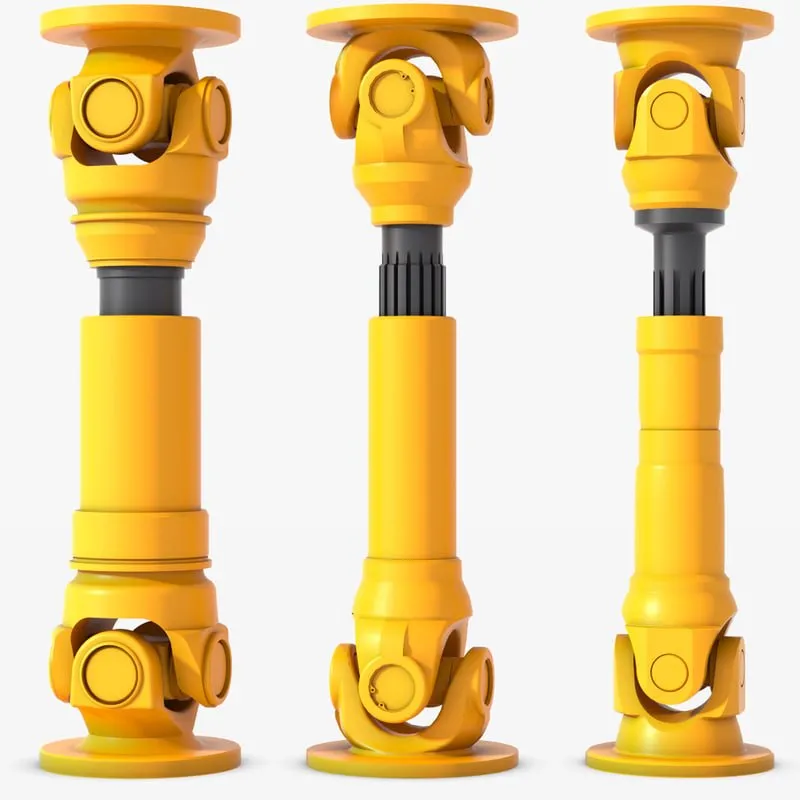
Os eixos cardan podem ser adaptados para uso tanto em aplicações automotivas quanto industriais?
Sim, os eixos cardan podem ser adaptados para uso tanto em aplicações automotivas quanto industriais. São componentes versáteis que oferecem transmissão de potência eficiente e podem ser personalizados para atender às necessidades específicas de diversas aplicações. Vamos explorar como os eixos cardan podem ser adaptados para aplicações automotivas e industriais:
1. Aplicações Automotivas:
Os eixos cardan são utilizados há muito tempo em aplicações automotivas, especialmente em veículos com tração traseira ou integral. São comuns em carros, caminhões, SUVs e veículos comerciais. No setor automotivo, os eixos cardan são usados principalmente para transmitir o torque do motor ou da transmissão para o diferencial ou eixo, permitindo que a potência seja distribuída às rodas. Eles proporcionam um meio confiável e eficiente de transferência de potência, mesmo em veículos que sofrem variações de carga, vibração e desalinhamento. Os eixos cardan em aplicações automotivas são normalmente projetados para suportar requisitos específicos de torque e velocidade, levando em consideração fatores como peso do veículo, potência e uso pretendido.
2. Aplicações industriais:
Os eixos cardan também são amplamente utilizados em diversos ambientes industriais onde é necessário transmitir torque entre dois componentes rotativos. Eles são empregados em uma ampla gama de indústrias, incluindo manufatura, mineração, agricultura, construção civil e muitas outras. Em aplicações industriais, os eixos cardan são utilizados em máquinas, equipamentos e sistemas que exigem transmissão eficiente de potência a longas distâncias ou em situações com desalinhamento angular. Os eixos cardan industriais podem ser personalizados para atender a requisitos específicos de torque, velocidade e desalinhamento, considerando fatores como carga, velocidade de rotação, condições de operação e restrições de espaço. Eles são comumente usados em aplicações como transportadores, bombas, geradores, misturadores, britadores e outras máquinas industriais.
3. Personalização e Adaptabilidade:
Os eixos cardan podem ser adaptados para diversas aplicações automotivas e industriais por meio de personalização. Os fabricantes oferecem uma gama de opções de eixos cardan com diferentes comprimentos, tamanhos, capacidades de torque e classificações de velocidade para atender a requisitos específicos. Juntas universais, garfos deslizantes, seções telescópicas e outros componentes podem ser selecionados ou projetados para atender às demandas de diferentes configurações. Além disso, os eixos cardan podem ser fabricados com diferentes materiais, como aço ou liga de alumínio, dependendo das necessidades da aplicação em termos de resistência, durabilidade ou redução de peso. Ao colaborar com fabricantes e fornecedores de eixos cardan, os engenheiros automotivos e industriais podem adaptar esses componentes às suas configurações específicas, garantindo desempenho e confiabilidade ideais.
4. Consideração de fatores específicos da aplicação:
Ao adaptar eixos cardan para aplicações automotivas ou industriais, é crucial considerar fatores específicos da aplicação. Esses fatores podem incluir requisitos de torque, limites de velocidade, condições de operação (temperatura, umidade, etc.), limitações de espaço e a necessidade de manutenção e facilidade de reparo. Avaliando cuidadosamente esses fatores e colaborando com especialistas, os engenheiros podem selecionar ou projetar eixos cardan que atendam às demandas exclusivas da aplicação automotiva ou industrial.
Em resumo, os eixos cardan podem ser adaptados e personalizados para uso tanto em aplicações automotivas quanto industriais. Sua versatilidade, capacidade de transmissão de potência eficiente e tolerância a desalinhamentos os tornam adequados para uma ampla gama de aplicações. Ao considerar os requisitos específicos e colaborar com os fabricantes de eixos cardan, os engenheiros podem garantir que esses componentes proporcionem uma transferência de potência confiável e eficiente em sistemas automotivos e industriais.
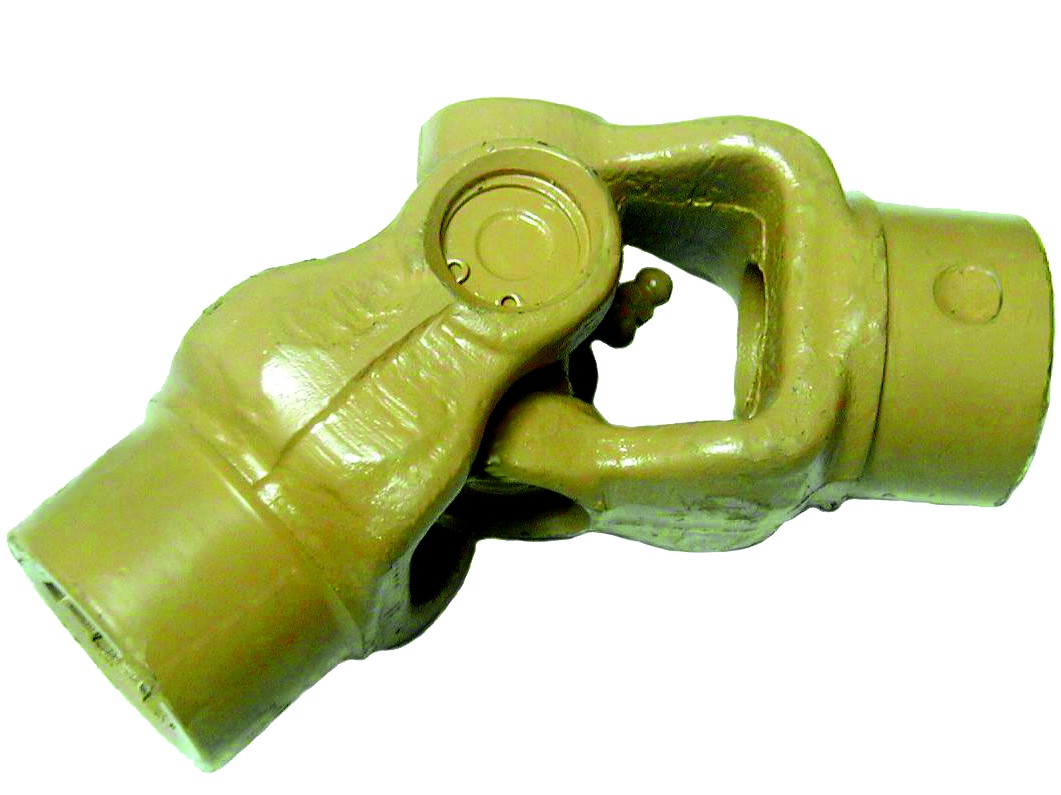
Can cardan shafts be customized for specific vehicle or equipment requirements?
Yes, cardan shafts can be customized to meet the specific requirements of different vehicles or equipment. Manufacturers offer a range of customization options to ensure that the cardan shafts are tailored to the unique needs of each application. Let’s explore how cardan shafts can be customized:
1. Length and Size:
– Cardan shafts can be manufactured in various lengths and sizes to accommodate the specific dimensions of the vehicle or equipment. Manufacturers can customize the overall length of the shaft to ensure proper alignment between the driving and driven components. Additionally, the size of the shaft, including the diameter and wall thickness, can be adjusted to meet the torque and load requirements of the application.
2. Torque Capacity:
– The torque capacity of the cardan shaft can be customized based on the power requirements of the vehicle or equipment. Manufacturers can design and manufacture the shaft with appropriate materials, dimensions, and reinforcement to ensure that it can transmit the required torque without failure or excessive deflection. Customizing the torque capacity of the shaft ensures optimal performance and reliability.
3. Connection Methods:
– Cardan shafts can be customized to accommodate different connection methods based on the specific requirements of the vehicle or equipment. Manufacturers offer various types of flanges, splines, and other connection options to ensure compatibility with the existing drivetrain components. Customizing the connection methods allows for seamless integration of the cardan shaft into the system.
4. Material Selection:
– Cardan shafts can be manufactured using different materials to suit the specific application requirements. Manufacturers consider factors such as strength, weight, corrosion resistance, and cost when selecting the material for the shaft. Common materials used for cardan shafts include steel alloys, stainless steel, and aluminum. By customizing the material selection, manufacturers can optimize the performance and durability of the shaft.
5. Balancing and Vibration Control:
– Cardan shafts can be customized with balancing techniques to minimize vibration and ensure smooth operation. Manufacturers employ dynamic balancing processes to reduce vibration caused by uneven distribution of mass. Customized balancing ensures that the shaft operates efficiently and minimizes stress on other components.
6. Protective Coatings and Finishes:
– Cardan shafts can be customized with protective coatings and finishes to enhance their resistance to corrosion, wear, and environmental factors. Manufacturers can apply coatings such as zinc plating, powder coating, or specialized coatings to prolong the lifespan of the shaft and ensure its performance in challenging operating conditions.
7. Collaboration with Manufacturers:
– Manufacturers actively engage in collaboration with customers to understand their specific vehicle or equipment requirements. They provide technical support and expertise to customize the cardan shaft accordingly. By collaborating closely with manufacturers, customers can ensure that the cardan shaft is designed and manufactured to meet their precise needs.
Overall, cardan shafts can be customized for specific vehicle or equipment requirements in terms of length, size, torque capacity, connection methods, material selection, balancing, protective coatings, and finishes. By leveraging customization options and working closely with manufacturers, engineers can obtain cardan shafts that are precisely tailored to the application’s needs, ensuring optimal performance, efficiency, and compatibility.
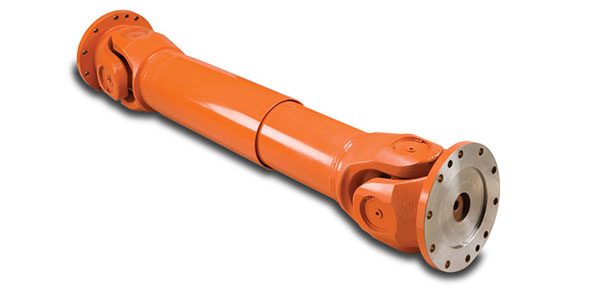
How do cardan shafts handle variations in angles, torque, and alignment?
Cardan shafts, also known as propeller shafts or drive shafts, are designed to handle variations in angles, torque, and alignment between the driving and driven components. They possess unique structural and mechanical features that enable them to accommodate these variations effectively. Let’s explore how cardan shafts handle each of these factors:
Variations in Angles:
– Cardan shafts are specifically designed to handle angular misalignment between the driving and driven components. This misalignment can occur due to factors such as changes in suspension height, flexing of the chassis, or uneven terrain. The universal joints used in cardan shafts allow for angular movement by employing a cross-shaped yoke with needle bearings at each end. These needle bearings facilitate the rotation and flexibility required to compensate for angular misalignment. As a result, the cardan shaft can maintain a consistent power transmission despite variations in angles, ensuring smooth and efficient operation.
Variations in Torque:
– Cardan shafts are engineered to withstand and transmit varying levels of torque. Torque variations may arise from changes in load, speed, or resistance encountered during operation. The robust construction of the shaft tubes, coupled with the use of universal joints and slip yokes, allows the cardan shaft to handle these torque fluctuations. The shaft tubes are typically made of durable and high-strength materials, such as steel or aluminum alloy, which can withstand high torsional forces without deformation or failure. Universal joints and slip yokes provide flexibility and allow the shaft to adjust its length, absorbing torque fluctuations and ensuring reliable power transmission.
Variations in Alignment:
– Cardan shafts are adept at compensating for misalignment between the driving and driven components that can occur due to manufacturing tolerances, assembly errors, or structural changes over time. The universal joints present in cardan shafts play a crucial role in accommodating misalignment. The needle bearings within the universal joints allow for slight axial movement, permitting misaligned components to remain connected without hindering torque transmission. Additionally, slip yokes, which are often incorporated into cardan shaft systems, provide axial adjustability, allowing the shaft to adapt to changes in the distance between the driving and driven components. This flexibility in alignment compensation ensures that the cardan shaft can effectively transmit power even when the components are not perfectly aligned.
Overall, cardan shafts handle variations in angles, torque, and alignment through the combination of universal joints, slip yokes, and robust shaft tube construction. These features allow the shaft to accommodate angular misalignment, absorb torque fluctuations, and compensate for changes in alignment. By providing flexibility and reliable power transmission, cardan shafts contribute to the smooth operation and longevity of various systems, including automotive drivetrains, industrial machinery, and marine propulsion systems.


editor by CX 2024-02-17