Descrição do produto
OEM ODM Cardan Transmission Tractor Parts Pto Drive Shaft for Agriculture Machinery
1. Tubes or Pipes
We’ve already got Triangular profile tube and Lemon profile tube for all the series we provide.
And we have some star tube, splined tube and other profile tubes required by our customers (for a certain series). (Please notice that our catalog doesnt contain all the items we produce)
If you want tubes other than triangular or lemon, please provide drawings or pictures.
2.End yokes
We’ve got several types of quick release yokes and plain bore yoke. I will suggest the usual type for your reference.
You can also send drawings or pictures to us if you cannot find your item in our catalog.
3. Safety devices or clutches
I will attach the details of safety devices for your reference. We’ve already have Free wheel (RA), Ratchet torque limiter(SA), Shear bolt torque limiter(SB), 3types of friction torque limiter (FF,FFS,FCS) and overrunning couplers(adapters) (FAS).
4.For any other more special requirements with plastic guard, connection method, color of painting, package, etc., please feel free to let me know.
Features:
1. We have been specialized in designing, manufacturing drive shaft, steering coupler shaft, universal joints, which have exported to the USA, Europe, Australia etc for years
2. Application to all kinds of general mechanical situation
3. Our products are of high intensity and rigidity.
4. Heat resistant & Acid resistant
5. OEM orders are welcomed
Our factory is a leading manufacturer of PTO shaft yoke and universal joint.
We manufacture high quality PTO yokes for various vehicles, construction machinery and equipment. All products are constructed with rotating lighter.
We are currently exporting our products throughout the world, especially to North America, South America, Europe, and Russia. If you are interested in any item, please do not hesitate to contact us. We are looking CHINAMFG to becoming your suppliers in the near future.
/* 22 de janeiro de 2571 19:08:37 */!function(){function s(e,r){var a,o={};try{e&&e.split(“”,).forEach(function(e,t){e&&(a=e.match(/(.*?):(.*)$/))&&1
| Tipo: | Fork |
|---|---|
| Usage: | Agricultural Products Processing, Farmland Infrastructure, Tillage, Harvester, Planting and Fertilization, Grain Threshing, Cleaning and Drying |
| Material: | Carbon Steel |
| Power Source: | Pto Shaft Tube |
| Transport Package: | Standard Sea Worthy Package |
| Specification: | ISO |
| Personalização: |
Disponível
| Solicitação personalizada |
|---|
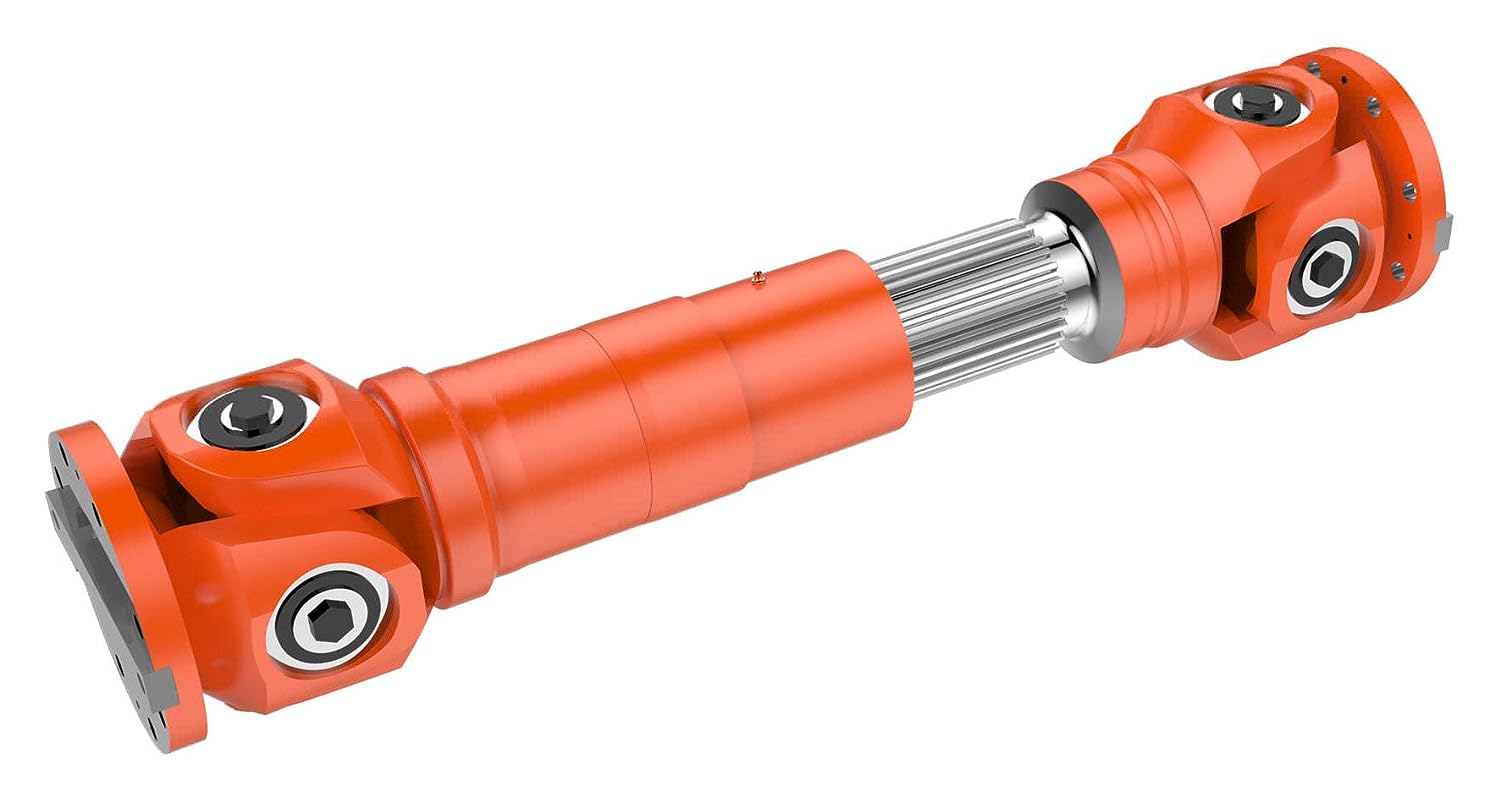
Como os fabricantes garantem a compatibilidade dos eixos cardan com diferentes equipamentos?
Os fabricantes adotam diversas medidas para garantir a compatibilidade dos eixos cardan com diferentes equipamentos. Essas medidas envolvem processos cuidadosos de projeto, engenharia e fabricação para atender aos requisitos específicos de diversas aplicações. Vamos explorar como os fabricantes garantem a compatibilidade:
1. Análise da aplicação:
Os fabricantes começam por analisar os requisitos e especificações da aplicação fornecidos pelos clientes. Essa análise inclui a compreensão de fatores como torque, velocidade, desalinhamento, condições de operação, limitações de espaço e outras necessidades específicas. Ao avaliar esses parâmetros, os fabricantes podem determinar o projeto e a configuração adequados do eixo cardã para garantir a compatibilidade com o equipamento.
2. Opções de personalização:
Os fabricantes oferecem opções de personalização para eixos cardan, de forma a atender às necessidades específicas de diferentes equipamentos. Isso inclui o fornecimento de diversos comprimentos, tamanhos, capacidades de torque, métodos de conexão e opções de materiais. Os clientes podem trabalhar em estreita colaboração com os fabricantes para selecionar ou projetar um eixo cardan que se adapte ao seu equipamento específico e garanta a compatibilidade com as necessidades de transmissão de potência do sistema.
3. Conhecimento especializado em engenharia:
Os fabricantes empregam engenheiros experientes especializados em projeto e engenharia de eixos cardan. Esses especialistas possuem conhecimento profundo em transmissão de potência mecânica e compreendem as complexidades envolvidas na garantia da compatibilidade. Eles utilizam sua expertise para projetar eixos cardan capazes de suportar o torque, a velocidade, o desalinhamento e outros parâmetros específicos exigidos por diferentes equipamentos.
4. Projeto e simulação assistidos por computador (CAD):
Os fabricantes utilizam softwares avançados de projeto auxiliado por computador (CAD) e ferramentas de simulação para modelar e simular o comportamento de eixos cardan em diferentes cenários de equipamentos. Essas ferramentas permitem que os engenheiros analisem a distribuição de tensões, o desempenho dos mancais e outros fatores críticos para garantir a compatibilidade e o desempenho do eixo. Ao simular o comportamento do eixo cardan sob diversas condições de carga, os fabricantes podem otimizar seu projeto e validar sua compatibilidade.
5. Controle de Qualidade e Testes:
Os fabricantes possuem processos rigorosos de controle de qualidade para garantir a confiabilidade, durabilidade e compatibilidade dos eixos cardan. Eles realizam testes minuciosos para verificar o desempenho e a funcionalidade dos eixos em condições reais. Isso pode incluir testes de capacidade de torque, limites de velocidade, resistência à vibração, tolerância a desalinhamento e outros parâmetros relevantes. Ao submeter os eixos cardan a testes rigorosos, os fabricantes podem garantir sua compatibilidade com diferentes equipamentos e validar sua capacidade de fornecer transmissão de potência confiável.
6. Cumprimento de normas e regulamentos:
Os fabricantes seguem normas e regulamentações do setor ao projetar e fabricar eixos cardan. A conformidade com essas normas garante que os eixos atendam aos requisitos necessários de segurança, desempenho e compatibilidade. Exemplos dessas normas incluem a ISO 9001 para gestão da qualidade e a ISO 14001 para gestão ambiental. Ao aderir a essas normas, os fabricantes demonstram seu compromisso com a produção de eixos cardan compatíveis e de alta qualidade.
7. Colaboração com os clientes:
Os fabricantes colaboram ativamente com os clientes para entender os requisitos de seus equipamentos e sistemas. Eles participam de discussões, fornecem suporte técnico e oferecem orientação para garantir a compatibilidade dos eixos cardan. Ao fomentar um relacionamento colaborativo, os fabricantes podem abordar desafios específicos e adaptar o projeto e as especificações do eixo para atender aos requisitos exclusivos de diferentes equipamentos.
Em resumo, os fabricantes garantem a compatibilidade dos eixos cardan com diferentes equipamentos por meio de análises de aplicação, opções de personalização, conhecimento técnico, ferramentas de CAD e simulação, controle de qualidade e testes, conformidade com normas e colaboração com os clientes. Essas medidas permitem que os fabricantes projetem e produzam eixos cardan que atendam aos requisitos específicos de torque, velocidade, desalinhamento e outros requisitos de diversos equipamentos, garantindo compatibilidade ideal e transmissão de potência eficiente.
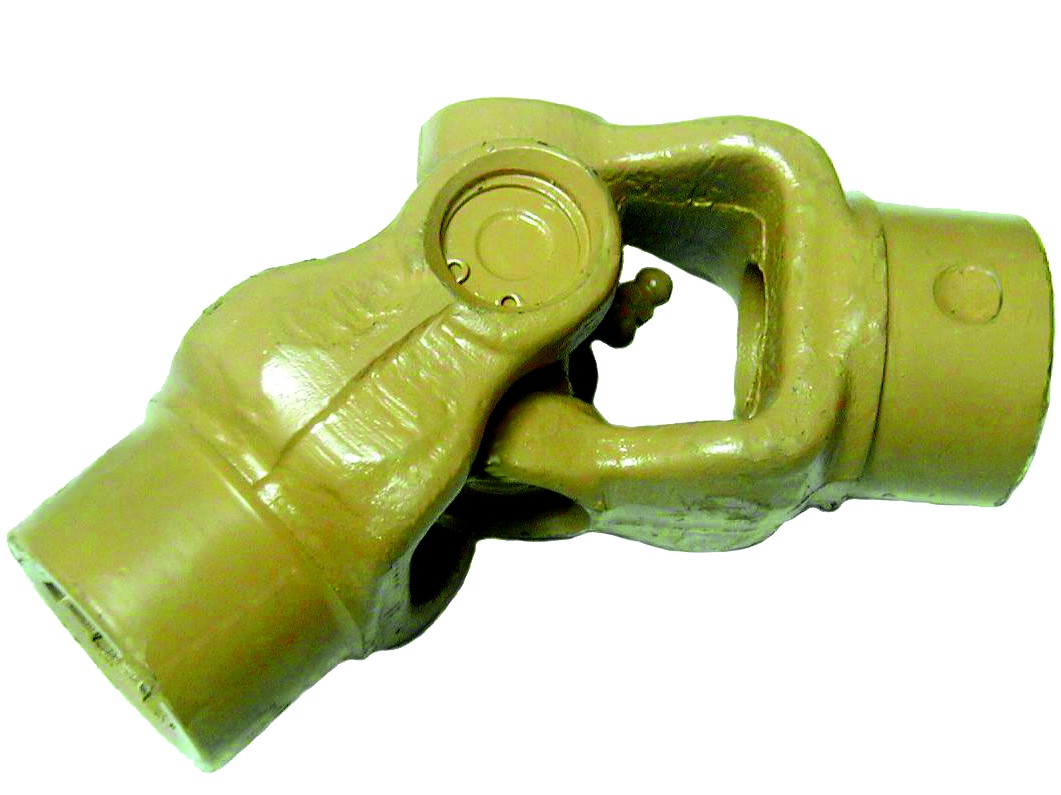
Can cardan shafts be customized for specific vehicle or equipment requirements?
Yes, cardan shafts can be customized to meet the specific requirements of different vehicles or equipment. Manufacturers offer a range of customization options to ensure that the cardan shafts are tailored to the unique needs of each application. Let’s explore how cardan shafts can be customized:
1. Length and Size:
– Cardan shafts can be manufactured in various lengths and sizes to accommodate the specific dimensions of the vehicle or equipment. Manufacturers can customize the overall length of the shaft to ensure proper alignment between the driving and driven components. Additionally, the size of the shaft, including the diameter and wall thickness, can be adjusted to meet the torque and load requirements of the application.
2. Torque Capacity:
– The torque capacity of the cardan shaft can be customized based on the power requirements of the vehicle or equipment. Manufacturers can design and manufacture the shaft with appropriate materials, dimensions, and reinforcement to ensure that it can transmit the required torque without failure or excessive deflection. Customizing the torque capacity of the shaft ensures optimal performance and reliability.
3. Connection Methods:
– Cardan shafts can be customized to accommodate different connection methods based on the specific requirements of the vehicle or equipment. Manufacturers offer various types of flanges, splines, and other connection options to ensure compatibility with the existing drivetrain components. Customizing the connection methods allows for seamless integration of the cardan shaft into the system.
4. Material Selection:
– Cardan shafts can be manufactured using different materials to suit the specific application requirements. Manufacturers consider factors such as strength, weight, corrosion resistance, and cost when selecting the material for the shaft. Common materials used for cardan shafts include steel alloys, stainless steel, and aluminum. By customizing the material selection, manufacturers can optimize the performance and durability of the shaft.
5. Balancing and Vibration Control:
– Cardan shafts can be customized with balancing techniques to minimize vibration and ensure smooth operation. Manufacturers employ dynamic balancing processes to reduce vibration caused by uneven distribution of mass. Customized balancing ensures that the shaft operates efficiently and minimizes stress on other components.
6. Protective Coatings and Finishes:
– Cardan shafts can be customized with protective coatings and finishes to enhance their resistance to corrosion, wear, and environmental factors. Manufacturers can apply coatings such as zinc plating, powder coating, or specialized coatings to prolong the lifespan of the shaft and ensure its performance in challenging operating conditions.
7. Collaboration with Manufacturers:
– Manufacturers actively engage in collaboration with customers to understand their specific vehicle or equipment requirements. They provide technical support and expertise to customize the cardan shaft accordingly. By collaborating closely with manufacturers, customers can ensure that the cardan shaft is designed and manufactured to meet their precise needs.
Overall, cardan shafts can be customized for specific vehicle or equipment requirements in terms of length, size, torque capacity, connection methods, material selection, balancing, protective coatings, and finishes. By leveraging customization options and working closely with manufacturers, engineers can obtain cardan shafts that are precisely tailored to the application’s needs, ensuring optimal performance, efficiency, and compatibility.
Which industries and vehicles commonly use cardan shafts for power distribution?
Cardan shafts, also known as propeller shafts or drive shafts, are widely used in various industries and vehicles for efficient power distribution. Their versatility and ability to transmit torque between non-aligned components make them essential in numerous applications. Here are some of the industries and vehicles that commonly utilize cardan shafts:
1. Automotive Industry:
– Cardan shafts have extensive use in the automotive industry. They are found in passenger cars, commercial vehicles, trucks, buses, and off-road vehicles. In these vehicles, cardan shafts transmit torque from the gearbox or transmission to the differential, which then distributes the power to the wheels. This allows the wheels to rotate and propel the vehicle forward. Cardan shafts in the automotive industry are designed to handle high torque loads and provide smooth power delivery, contributing to the overall performance and drivability of the vehicles.
2. Agriculture and Farming:
– The agriculture and farming sector extensively relies on cardan shafts for power distribution. They are commonly used in tractors and other agricultural machinery to transfer power from the engine to various implements and attachments, such as mowers, balers, tillers, and harvesters. Cardan shafts in agricultural applications enable efficient power delivery to the implements, allowing farmers to perform tasks like cutting crops, baling hay, tilling soil, and harvesting with ease and productivity.
3. Construction and Mining:
– The construction and mining industries utilize cardan shafts in a wide range of machinery and equipment. Excavators, loaders, bulldozers, and crushers are examples of machinery that employ cardan shafts to transmit power to different components. In these applications, cardan shafts ensure efficient power distribution from the engine or motor to the drivetrain or specific attachments, enabling the machinery to perform tasks like digging, material handling, and crushing with the required power and precision.
4. Industrial Equipment and Machinery:
– Various industrial equipment and machinery rely on cardan shafts for power transmission. They are used in pumps, compressors, generators, conveyors, mixers, and other industrial machines. Cardan shafts in industrial applications transmit rotational power from the motor or engine to the driven components, enabling the machinery to perform their specific functions. The flexibility and misalignment compensation provided by cardan shafts are particularly valuable in industrial settings where the power source and driven components may not be perfectly aligned.
5. Marine and Shipbuilding:
– The marine and shipbuilding industry also utilizes cardan shafts for power distribution. They are commonly found in propulsion systems of boats and ships. Cardan shafts in marine applications connect the engine or motor to the propeller, ensuring efficient transmission of rotational power and enabling the vessel to navigate through water. The ability of cardan shafts to compensate for misalignment and accommodate variations in the shaft angle is crucial in marine applications, where the propeller shaft may not be in a direct alignment with the engine.
6. Rail and Locomotives:
– Rail and locomotive systems employ cardan shafts for power distribution. They are crucial components in the drivetrain of locomotives and trains, enabling the transmission of torque from the engine or motor to the wheels or axles. Cardan shafts in rail applications ensure efficient power delivery, allowing locomotives and trains to transport passengers and goods with the required speed and traction.
In summary, cardan shafts are widely used in various industries and vehicles for power distribution. They are commonly found in the automotive industry, agriculture and farming, construction and mining machinery, industrial equipment, marine and shipbuilding applications, as well as rail and locomotive systems. The versatility, flexibility, and efficient power transmission provided by cardan shafts make them indispensable components in these industries and vehicles, contributing to their performance, productivity, and reliability.


editor by CX 2024-04-19