产品描述
产品详情
联轴器是一种机械部件,用于将不同机构中的主动轴和从动轴牢固连接在一起,使其同步旋转,并传递运动和扭矩。它有时也用于连接轴和其他部件(例如齿轮、皮带轮等)。联轴器通常由两个部分组成,分别通过键合或夹紧配合连接,并固定在轴的两端。联轴器可以补偿由于制造和安装误差、运行过程中的变形或热膨胀以及冲击和振动等原因造成的两个轴之间的偏差(包括轴向、径向、角度或组合偏差)。最常用的联轴器已经过标准化或规范化处理。一般来说,只需正确选择联轴器的类型并确定其规格和尺寸即可。如有必要,检查并计算易损件和薄弱环节的承载能力;当转速较高时,需要检查外缘的离心力和弹性元件的变形情况,以进行平衡检测。
联轴器用于连接不同机构中的轴,主要通过旋转连接,从而传递扭矩。在高速动力作用下,联轴器具有缓冲和阻尼功能,且使用寿命长,工作效率高。
耦合器的功能:
联轴器是一种连接两根轴或带有旋转部件的轴的装置,在传递动力和运动的过程中,联轴器与轴一起旋转,在正常情况下不会脱落。有时,它也被用作安全装置,防止连接部件承受过载,起到过载保护的作用。联轴器安装在动力传输的主动端和被动端之间,其作用包括传递扭矩、补偿轴之间的安装偏差、吸收设备振动和缓冲载荷冲击。联轴器的功能之一是通过自身的变形来吸收和补偿轴之间的偏差。弹性越大,吸收偏差的能力越强;弹性越小,吸收偏差的能力越弱。一般来说,轴之间的偏差可以分为以下三个方面:联轴器与外围设备的连接是通过将设备的轴插入联轴器的轴孔中实现的。
1. 联轴器的作用是将不同机构中的两个轴(驱动轴和从动轴)连接起来,使它们一起旋转并传递扭矩;有些联轴器还具有缓冲、阻尼和提高轴系动态性能的作用。
2.消除径向力的惯性,将电机主轴与负载连接,并使用联轴器减弱电机启动时的启动功率。
3. 动力传导、动力和扭矩的传递(提高传动系统的性能)
4. 不同程度的减振和缓冲
5. 当负载过大而无法发挥保护作用时,断开连接
6. 有利于维护
7. 改变行驶方向
8. 同心度校正(不同程度的轴向、径向和角度补偿性能)
联轴器的类型
波纹管连接
波纹管联轴器由两个轮毂和焊接或粘接在一起的薄壁波纹管组成。联轴器结构的输入端为夹紧结构,预紧力由夹紧螺钉产生,动力输入轴与夹紧环牢固连接。柔性及刚性不锈钢波纹管能够校正径向、轴向和角度偏差,零背隙传递扭矩,并可根据不同的设备要求设计不同的衬套。
梅花连接
梅花联轴器是一种应用广泛的联轴器,其平衡附件为弹性体,可实现零背隙、扭矩传递和减震。不同类型的弹性体决定了整个驱动系统的特性。零背隙是通过联轴器两个轴套与弹性体之间的预压实现的。其弹性体通常由工程塑料或橡胶制成。由于弹性体具有缓冲和减振的功能,因此广泛应用于振动较大的场合。
安全连接器
安全联轴器主要依靠弹簧力并配合其独特的形状,能够保护相邻的驱动部件免受过载损坏。安全联轴器分为同步型、60°步进型、故障保护型和封闭型。其特点是采用了特殊的蝶形弹簧系统。只有当扭矩控制螺母与蝶形弹簧连接并施加压力后,才能实现扭矩传递。安全联轴器的使用寿命主要取决于联轴器的脱离速度和保持时间。安全联轴器在接合状态下不会磨损,无需维护,也无需额外加油。
刚性耦合
刚性联轴器实际上是一种扭转刚性联轴器。即使在负载下,它也不会产生转动间隙。即使存在偏差导致负载,刚性联轴器仍然保持刚性,能够传递扭矩。刚性联轴器需要用于连接两个严格对准且无相对偏差的轴,因此在电机测试系统中应用较少。当然,如果能够成功控制相对位移(对准精度足够高),刚性联轴器在应用中也能发挥重要作用。特别是小型刚性联轴器,具有重量轻、惯性极低和灵敏度高的优点。在实际应用中,刚性联轴器还具有免维护、超强耐油性和耐腐蚀性等优点。
长轴联轴器
长轴联轴器的标准长度可达6米,无需中间支撑。两端采用高性能不锈钢或高强度铝合金连接,中间管材则采用钢、铝或碳纤维等不同材料。标准型号的允许偏差范围、转速和扭矩应降低30%。允许的工作转速取决于联轴器轴的总长度,也可根据需求进行调整。
隔膜耦合
隔膜联轴器通过摩擦和隔膜组件传递扭矩,因此不会像通过肩部螺栓传递扭矩时那样出现应力集中、反冲和微位移。它具有近乎无限的使用寿命,并能提高整个联轴器各部件的扭转刚度,从而可以补偿各种组合轴组件误差,补偿百分比为数据表中列出的总允许误差值。这三个误差百分比之和不得超过 100%。
产品描述
作为一名专业人士 制造商 对于螺旋桨轴,我们有 +1000 适用于各种车型的产品。目前,我们的产品主要销往北美、欧洲、澳大利亚、韩国、中东、东南亚等地区,适用车型包括欧系车、美系车、日系车、韩系车等。/* 2571年1月22日 19:08:37 */!function(){function s(e,r){var a,o={};try{e&&e.split(“,”).forEach(function(e,t){e&&(a=e.match(/(.*?):(.*)$/))&&1
| 标准或非标准: | 标准 |
|---|---|
| 扭矩: | >80牛米 |
| 孔径: | 根据具体图纸 |
| 定制化: |
可用的
| 定制请求 |
|---|
.shipping-cost-tm .tm-status-off{background: none;padding:0;color: #1470cc}
|
运费:
每件商品预计运费。 |
关于运费和预计送达时间。 |
|---|
| 付款方式: |
|
|---|---|
|
首付款 全额付款 |
| 货币: | US$ |
|---|
| 退货和退款: | 您可以在收到产品后 30 天内申请退款。 |
|---|
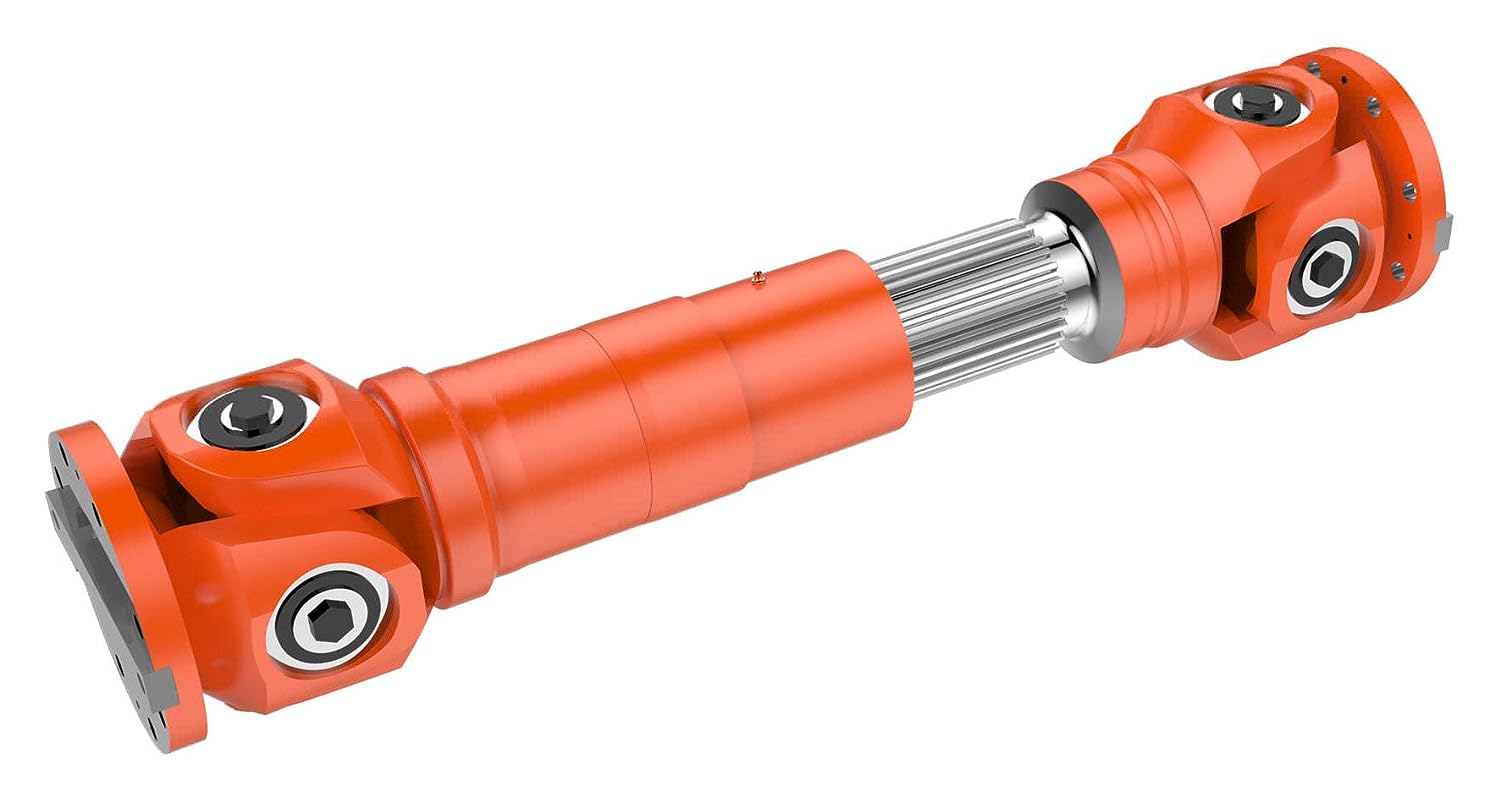
制造商如何确保万向轴与不同设备的兼容性?
制造商采取多种措施来确保万向轴与不同设备的兼容性。这些措施包括精心设计、工程和制造流程,以满足各种应用的特定需求。让我们来了解一下制造商是如何确保兼容性的:
1. 应用分析:
制造商首先分析客户提供的应用需求和规格。这项分析包括了解扭矩、转速、不对中、运行条件、空间限制和其他特定需求等因素。通过评估这些参数,制造商可以确定万向轴的合适设计和配置,以确保其与设备的兼容性。
2. 自定义选项:
制造商提供万向轴定制服务,以满足不同设备的独特需求。这包括提供各种长度、尺寸、扭矩容量、连接方式和材料选择。客户可以与制造商紧密合作,选择或设计适合其特定设备并确保与系统动力传输需求兼容的万向轴。
3. 工程技术专长:
制造商聘请经验丰富的工程师,专门从事万向轴的设计和工程。这些专家对机械动力传输有着深入的了解,并深谙确保兼容性的复杂性。他们运用专业知识设计万向轴,使其能够承受不同设备所需的特定扭矩、转速、不对中和其他参数。
4. 计算机辅助设计(CAD)和仿真:
制造商利用先进的计算机辅助设计 (CAD) 软件和仿真工具,对万向轴在不同设备场景下的运行情况进行建模和仿真。这些工具使工程师能够分析应力分布、轴承性能和其他关键因素,从而确保万向轴的兼容性和性能。通过模拟万向轴在各种载荷条件下的运行情况,制造商可以优化其设计并验证其兼容性。
5. 质量控制和测试:
制造商制定了严格的质量控制流程,以确保万向轴的可靠性、耐用性和兼容性。他们会进行全面的测试,以验证万向轴在实际工况下的性能和功能。这些测试可能包括扭矩容量、速度限制、抗振性、不对中容差以及其他相关参数。通过对万向轴进行严格的测试,制造商可以确保其与不同设备的兼容性,并验证其提供可靠动力传输的能力。
6. 遵守标准和法规:
制造商在设计和制造万向轴时,均遵循行业标准和法规。遵守这些标准可确保万向轴满足必要的安全性、性能和兼容性要求。例如,ISO 9001 质量管理体系和 ISO 14001 环境管理体系等标准。通过遵守这些标准,制造商展现了其致力于生产兼容且高质量的万向轴的承诺。
7. 与客户合作:
制造商积极与客户合作,了解其设备和系统需求。他们参与讨论,提供技术支持和指导,以确保万向轴的兼容性。通过建立合作关系,制造商可以应对具体挑战,并根据不同设备的独特需求定制万向轴的设计和规格。
总而言之,制造商通过应用分析、定制选项、工程技术专长、CAD 和仿真工具、质量控制和测试、遵守标准以及与客户的合作,确保万向轴与不同设备的兼容性。这些措施使制造商能够设计和生产满足各种设备特定扭矩、转速、不对中和其他要求的万向轴,从而确保最佳兼容性和高效的动力传输。
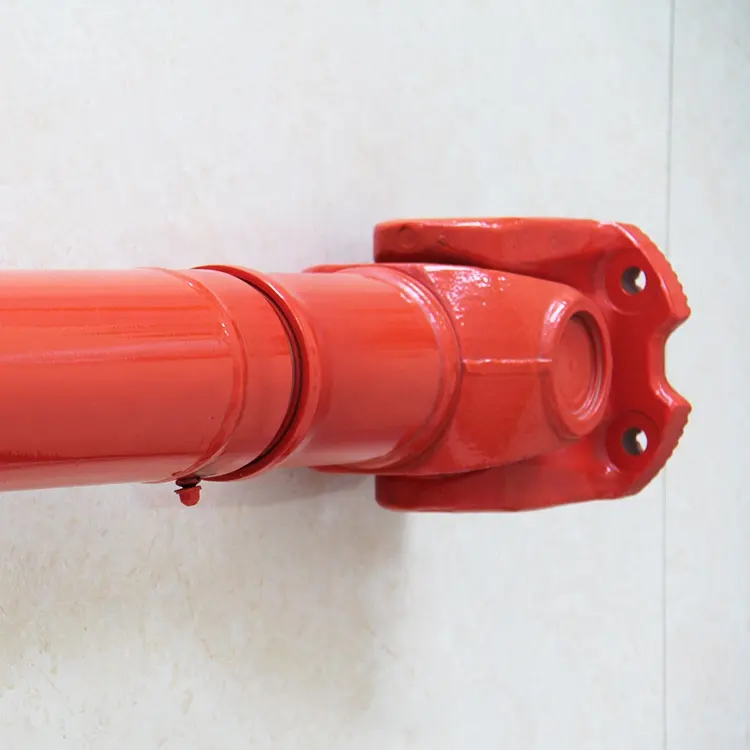
你能提供一些使用万向轴的车辆和机械的实际例子吗?
万向轴广泛应用于各行各业的各种车辆和机械设备中。它们适用于扭矩传递、动力分配和灵活性至关重要的应用场合。以下是一些使用万向轴的车辆和机械设备的实际案例:
1. 汽车:
轿车、卡车和SUV:传动轴常见于后轮驱动(RWD)和四轮驱动(4WD)车辆。它们分别连接变速箱或分动箱与后差速器或前差速器,从而将扭矩传递至车轮。例如,吉普牧马人、福特F-150和丰田兰德酷路泽等轿车、皮卡和SUV都配备了传动轴。
– 公交车和商用车辆:后轮驱动或全轮驱动的公交车和商用车辆通常使用万向轴。万向轴将发动机或变速箱的扭矩传递到后桥或多个后桥。例如城市公交车、长途客车和送货卡车。
2. 越野车和多用途车:
越野车辆:许多越野车辆,例如越野卡车、SUV 和全地形车 (ATV),都采用万向轴。这些万向轴能够将必要的扭矩传递和动力分配到所有车轮,从而提高牵引力和越野性能。例如路虎卫士、吉普牧马人 Rubicon 和雅马哈灰熊 ATV。
农业机械:拖拉机和联合收割机等农用设备通常采用万向轴将发动机的动力传递到各种附件,例如割草机、打捆机和收割机。万向轴能够实现高效的动力分配,并能灵活适应不同的农业作业。
工程机械和矿山机械:用于工程和矿山作业的设备,例如挖掘机、装载机和推土机,都利用万向轴将发动机或变速箱的动力传递到机械的各个部件。这些万向轴能够将动力和扭矩传递到各种附件,从而确保机械在严苛环境下高效运行。
3. 工业机械:
– 制造机械:万向轴广泛应用于输送机、搅拌机和旋转设备等工业设备中。它们在机械内部提供扭矩传递和动力分配,从而实现高效的运行和物料输送。
造纸和纸浆行业:万向轴广泛应用于造纸和纸浆加工机械,包括造纸机和蒸煮器。这些轴能够有效地将动力和扭矩传递到机械的各个部件,从而确保机器平稳运行并提高生产效率。
钢铁和金属加工机械:钢铁厂和金属加工厂使用的设备,例如轧机、挤压机和绕线机,通常采用万向轴。这些轴能够将动力和扭矩传递到参与金属成形、成型和加工的各个部件。
这些例子仅代表了万向轴众多应用中的一小部分。万向轴的多功能性、耐用性以及其强大的扭矩传递和动力分配能力,使其成为各行各业各种车辆和机械设备中不可或缺的部件。
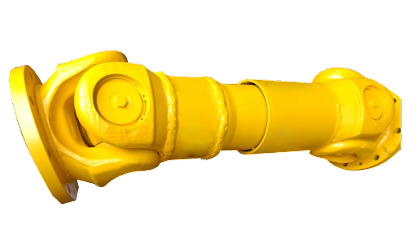
你能解释一下万向轴系统的组成部分和结构吗?
万向轴系统,也称为螺旋桨轴或驱动轴,由多个部件组成,这些部件协同工作,在不对准的部件之间传递扭矩和旋转动力。万向轴系统的结构通常包括以下部件:
1. 轴管:
轴管是万向轴系统的主要结构元件。它们是圆柱形管材,由钢或铝合金等耐用高强度材料制成。轴管是系统的骨架,负责传递扭矩和旋转动力。它们的设计能够承受高载荷和扭转力而不发生变形或断裂。
2. 万向节:
万向节,也称U型接头或卡丹接头,是卡丹轴系统中至关重要的部件。它们用于连接和活动轴管,允许驱动部件和从动部件之间存在角度偏差。万向节由一个十字形轭架组成,轭架两端装有滚针轴承。轭架连接轴管,而滚针轴承则提供旋转运动和所需的灵活性,以补偿偏差。即使驱动部件和从动部件并非完全对齐,万向节也能使卡丹轴系统传递扭矩。
3. 滑动式轭:
滑动轭是万向轴系统中用于补偿轴向不对中的部件。它们通常位于轴管的一端或两端,在轴和驱动或从动部件之间提供滑动连接。滑动轭允许轴调整其长度,并补偿部件间距离的变化。这一特性在驱动和从动部件之间距离可能变化的应用中尤为有用,例如轴距可调的车辆或具有可变连接点的机械。
4. 法兰和轭:
法兰和轭架用于将万向轴系统连接到驱动部件和从动部件。法兰通常通过螺栓或焊接固定在轴管末端,提供牢固的连接点。法兰面上的螺栓孔与驱动部件或从动部件上的相应法兰对齐。轭架是十字形部件,用于将万向节连接到法兰。轭架上的孔或槽用于容纳万向节的滚针轴承,从而实现旋转运动和扭矩传递。
5. 平衡配重:
平衡块用于平衡万向轴系统并最大限度地减少振动。当轴旋转时,质量分布不平衡会导致振动、噪音和性能下降。平衡块沿轴管策略性地布置,以抵消这些不平衡。它们重新分配质量,确保万向轴系统的旋转部件保持适当的平衡。适当的平衡可以提高稳定性,减少轴承和其他部件的磨损,并提高轴系统的整体性能和使用寿命。
6. 安全特性:
一些万向轴系统集成了安全功能,以防止机械故障。例如,可以安装防护罩或屏蔽罩,防止与旋转部件接触,从而降低事故或受伤的风险。在可能出现过大力或扭矩的应用中,万向轴系统可能包含剪切销或扭矩限制器等安全机制。这些功能旨在保护轴和其他部件免受过载或过大扭矩造成的剪切或脱钩损坏。
总而言之,万向节传动轴系统由轴管、万向节、滑动轭、法兰和轭架以及平衡块和安全装置组成。这些部件协同工作,在未对准的部件之间传递扭矩和旋转动力,从而实现角度和轴向不对中补偿。万向节传动轴系统的结构和部件经过精心设计,以确保在各种应用中实现高效的动力传输、灵活性、耐久性和安全性。


编辑:CX 2024-03-27