Cardan Shaft Overview
The Cardan Shaft is a must-have in the farming world, especially for rotary tillers. It’s like the sturdy spine that keeps power moving from your tractor to the tools tearing up the soil. This piece ties everything together smoothly—like a band jamming in perfect sync. Built tough and precise, it’s a game-changer for today’s farmers who need to get the job done fast and right.
Product Features
| Model Number | 77268L/77272L/78869/U356 |
| Function | Power transmission |
| Use | Tractors and various farm implements |
| Yoke Type | Push pin/quick release/collar/double push pin/bolt pins/split pins |
| Processing Of Yoke | Forging |
| Plastic Cover Options | YW; BW; YS; BS |
| Color Variants | Yellow; black |
| Series Availability | T series; L series; S series |
| Tube Type | Triangular/star/lemon |
| Processing Of Tube | Cold drawn |
| Spline Type | 1 3/8″ Z6; 1 3/8 Z21; 1 3/4 Z20; 1 1/8 Z6; 1 3/4 Z6 |
High-Quality Manufacturing Standards
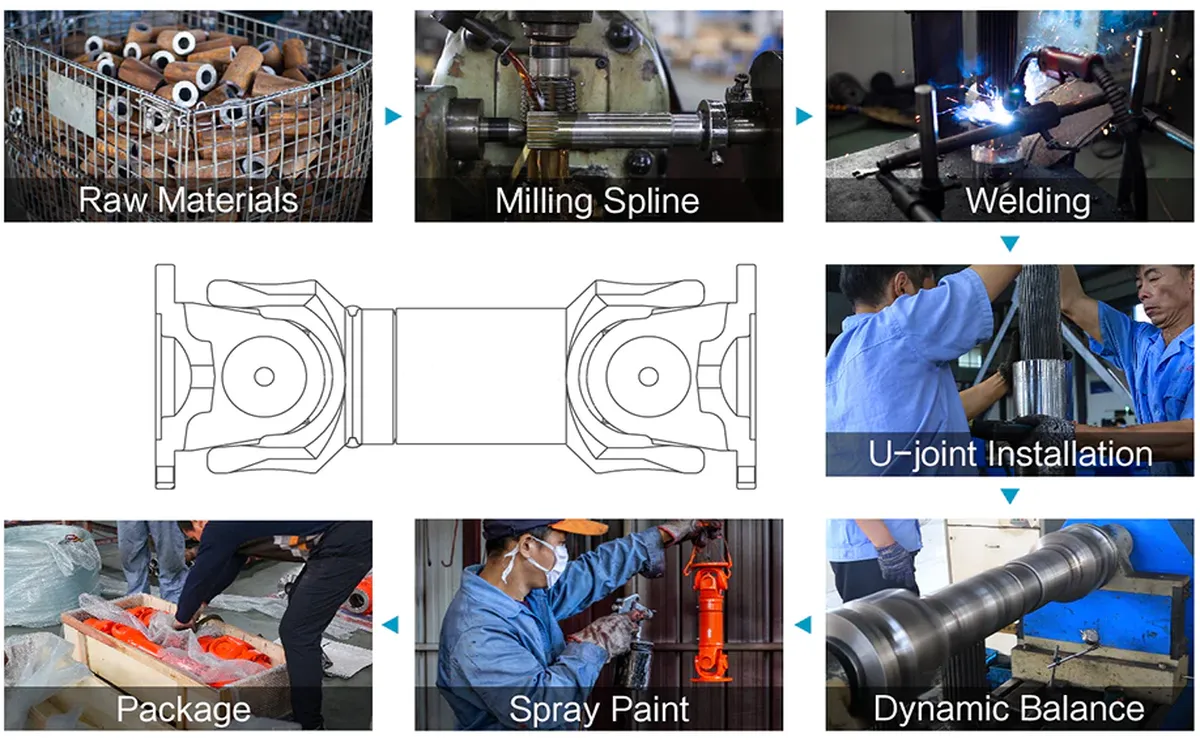
When it comes to farm gear, cutting corners isn’t an option. The Cardan Shaft is made with top-shelf materials and the latest know-how, so it lasts long and works hard. Every piece gets a thorough once-over—like a cook sampling the stew before it hits the table. That’s how we make sure it’s not just good, but great, ready to take on whatever the field throws its way.
Our Product Range
Hold on, there’s more in the shed! Beyond Cardan Shafts, we’ve got a whole lineup—agricultural gearboxes, power output shafts, sprockets, hydraulic couplings, worm gear reducers, and plenty more. We’re all about quality you can bank on, prices that don’t sting, and service that feels like a friendly nod across the fence. Want something custom? Bring your ideas or sketches—we’ll tweak it ‘til it’s just right for you.
Frequently Asked Questions
1. What’s the Cardan Shaft’s main job?
It’s the power lifeline, hooking up your tractor’s muscle to the tools doing the work—like a bridge from engine to action.
2. What gear uses this thing?
You’ll spot it on tractors and all kinds of farm tools, keeping the field running smooth as butter.
3. Can I tweak the Cardan Shaft to fit my setup?
You bet! Hand us your drawings or samples, and we’ll tailor it to your needs—like a custom suit for your rig.
4. How’s it made?
We forge it tough—think of it like hammering raw iron into a solid tool, built to last.
5. What else do you guys sell?
We’ve got gearboxes, sprockets, couplings—the works. Your one-stop shop for anything mechanical.
Performance Characteristics of Cardan Shaft
The Cardan Shaft—aka the universal joint shaft—isn’t just a part; it’s the glue holding your machines together. These traits aren’t just specs—they’re what keep things humming along out there. Here’s why they matter:
- Bend, Don’t Break: It passes power even when things aren’t lined up perfect—like a dancer keeping the rhythm with a tricky partner.
- Tough Stuff: Made strong, it shrugs off wear and tear, sticking around for the long haul in heavy jobs.
- Smooth Power: It moves energy with barely a hiccup, keeping your gear running like a finely tuned hot rod.
- All-Rounder: Cars, factories, farms—it fits in anywhere, like a handy pocketknife ready for anything.
- Low Fuss: Set it up right, and it’s a breeze to maintain—like a reliable ride that rarely needs the shop.
Types and Characteristics of Cardan Shaft
Cardan Shafts come in a few flavors, each built for its own kind of work. Picking the right one’s key—here’s the lineup:
- Single Cardan Shaft: The basic model with one joint—great for simple setups, like your go-to hammer.
- Double Cardan Shaft: Two joints for extra flex, perfect for rigs that twist and turn—like a stunt driver’s trick move.
- Telescopic Cardan Shaft: Stretches or shrinks to fit changing gaps, like a telescope zeroing in on the stars.
Materials make a difference too—steel’s all about strength, aluminum keeps it light, and composites throw in perks like rust-proofing, like a raincoat for your gear.
Applications of Cardan Shaft
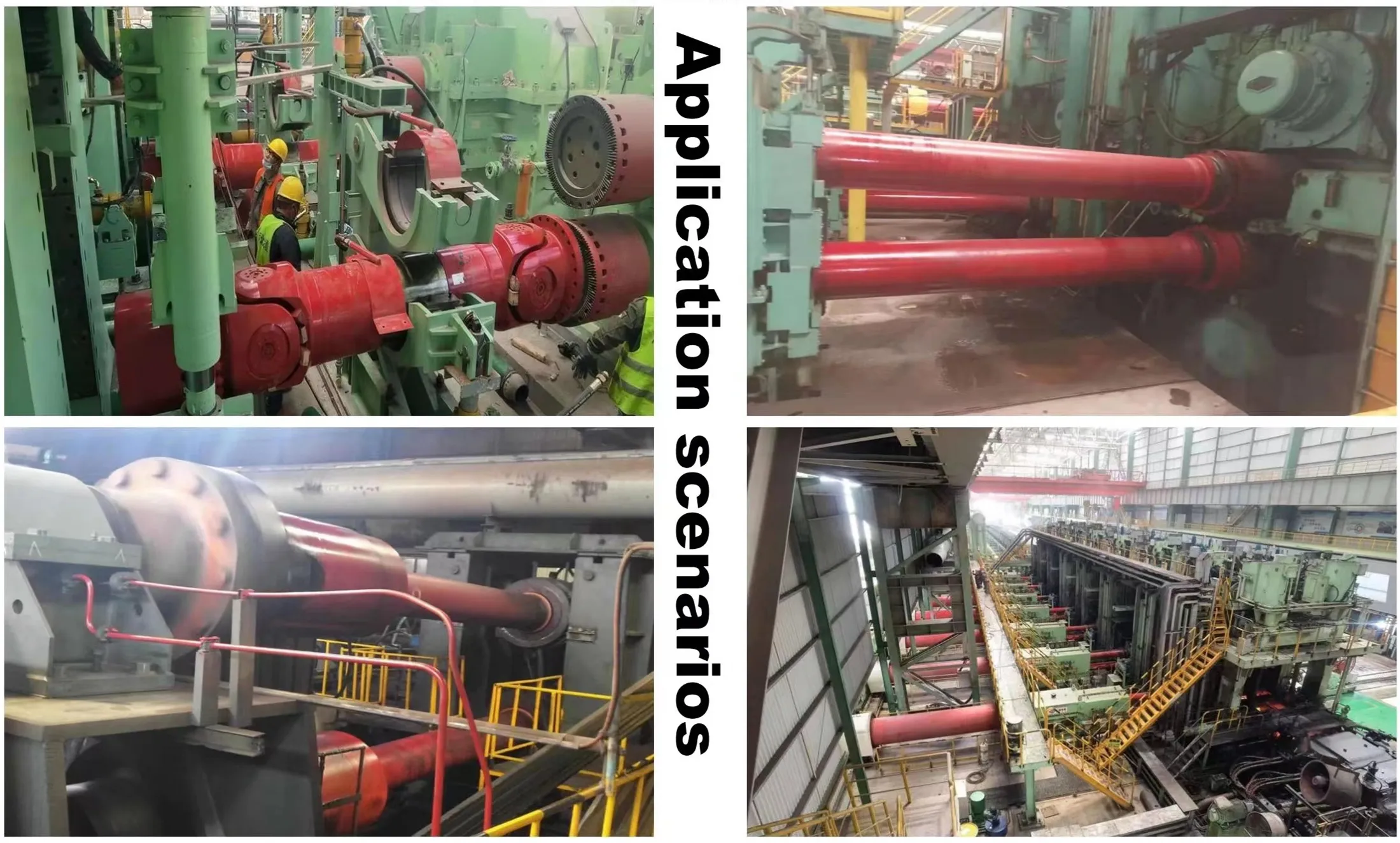
These shafts show up everywhere—here’s where they’re putting in work:
- Automotive: Linking transmissions to wheels, they keep cars rolling—like the pulse of your ride.
- Industrial: Powering conveyors and mixers, they keep factories humming—like clockwork.
- Marine: Driving boat props, they’re steady in rough waters—like a captain steering through a storm.
- Railways: Connecting engines to cars, they keep trains on track—like a conductor keeping time.
- Farming: Hooking engines to tools, they make farm work fly—like a farmer’s best buddy.
Future Development Trends and Opportunities of Cardan Shaft
The Cardan Shaft’s got a bright future—think lighter composites cutting fuel use or smart sensors keeping tabs on wear. Picture a shaft that tells you when it’s time for a check-up—that’s the next big thing. As automation ramps up, these shafts will get sharper, meeting the call for precision in high-tech setups. Companies betting on R&D now are the ones who’ll lead the pack.
Choosing a Suitable Cardan Shaft
Finding the right Cardan Shaft takes some figuring—here’s your guide:
- Know Your Gig: Match it to your machine and what it’s facing—like picking the right bait for the fish.
- Power Check: Size up the torque and load so it doesn’t buckle—like knowing your truck’s towing limit.
- Length Game: Measure the gap and decide if you need stretch—like picking a ladder that reaches.
- Joint Call: Pick the joint type for your twists and turns—precision’s the name of the game.
- Material Pick: Go for strength or light weight depending on the job—like suiting up for the weather.
- Tough Spots: Think heat, wet, or grit—make sure it can hack it out there.
Conclusion
Cardan Shafts are the workhorses tying industries together with their flex, toughness, and smooth power. Knowing the types, uses, and material perks helps you pick smart for your setup. As tech rolls on, they’ll keep evolving—staying sharp and green. Nail the right one for your needs, and it’ll keep spinning strong, like a dance partner who never misses a step.
Author: Dream
All this comes from the web—just a heads-up for picking parts. Our gear’s replacements, not originals—we don’t own the trademarks. They’re built for aftermarket fixes and fit the originals like a glove. Want the real stuff? Hit up the original maker or supplier.